Topsoil, the nutrient-rich uppermost layer of soil, is essential for successful landscaping and erosion control in construction projects. This layer teems with organic matter, microorganisms, and nutrients vital for plant growth and soil structure. However, during large-scale construction, topsoil is often displaced and stored in ways that degrade its quality. Historically, topsoil was removed and discarded without consideration, but recent practices attempt to conserve it by scraping and piling it for later use. While this is a step forward, piling topsoil introduces challenges that can render it nearly lifeless by the time it’s needed again. At Eco Express, we understand the importance of restoring this essential resource to create healthier, more resilient landscapes.
What Happens to Topsoil During Construction?
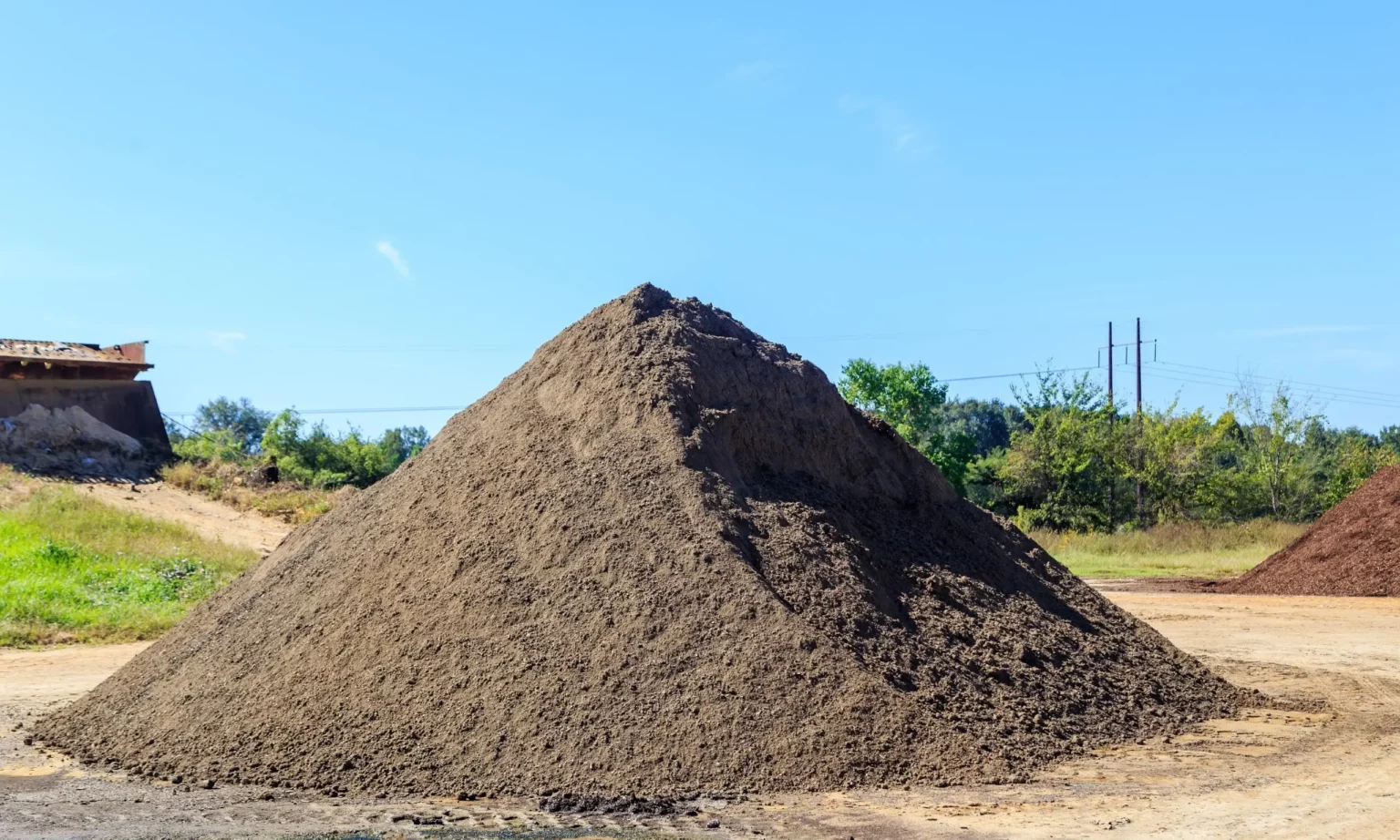
In typical construction projects, the site’s topsoil is removed to allow for grading, excavation, and other foundational work. This process strips away the nutrient-rich layer and disrupts the soil’s living ecosystem, which comprises organic matter, bacteria, fungi, and other microorganisms. To “preserve” the soil, construction teams often store it in large piles, sometimes several feet high. However, piling topsoil in this manner creates an oxygen-poor environment where biological activity declines dramatically.
Why Piled Topsoil Becomes “Dead Dirt”?
When topsoil is piled too high, it loses its ability to respirate. Soil respiration—the exchange of gases between the soil and the air—is critical for supporting soil biology. Oxygen is required by soil microorganisms and plant roots to carry out metabolic processes that contribute to soil health, such as nutrient cycling and organic matter decomposition. Without oxygen, microbial activity slows, beneficial fungi and bacteria die off, and the soil’s structure degrades.
Research indicates that topsoil can lose significant microbial activity after being stored in large piles for extended periods. Decomposition of organic matter also slows in anaerobic conditions, meaning the topsoil not only loses its biological life but also its nutrient value. When this “dead dirt” is reapplied at the project’s end, it lacks the organic richness and biological foundation necessary to support new plantings, leading to poor growth and low resilience in the landscape.
Common Practices and Their Limitations
A standard approach by many seeding firms is to plant initial vegetation on this degraded topsoil layer, anticipating it won’t thrive. The expectation is that the first round of grass will fail, decompose, and eventually return some organic matter to the soil, essentially “kickstarting” the soil biology. However, this approach has drawbacks:
- Expensive Reapplication: Reseeding increases costs and extends timelines, as multiple applications are required to establish vegetation.
- Inconsistent Results: Initial plantings often fail in patches, leading to an uneven landscape and increased risk of erosion in weak areas.
- High Risk of Spot Failures: Unhealthy soil increases the risk of isolated failures, especially in challenging areas like slopes and drainage zones.
The Eco Express Approach: Revitalizing Soil with CarbonizPN
At Eco Express, we take a proactive approach to revitalize topsoil and improve planting outcomes from the start. Instead of relying on failed vegetation to “kickstart” the soil, we restore it as a living ecosystem using CarbonizPN from Mirimichi Green. This soil amendment is designed to reintroduce essential biology and carbon into the soil, creating a thriving environment for plant growth.
What is CarbonizPN?
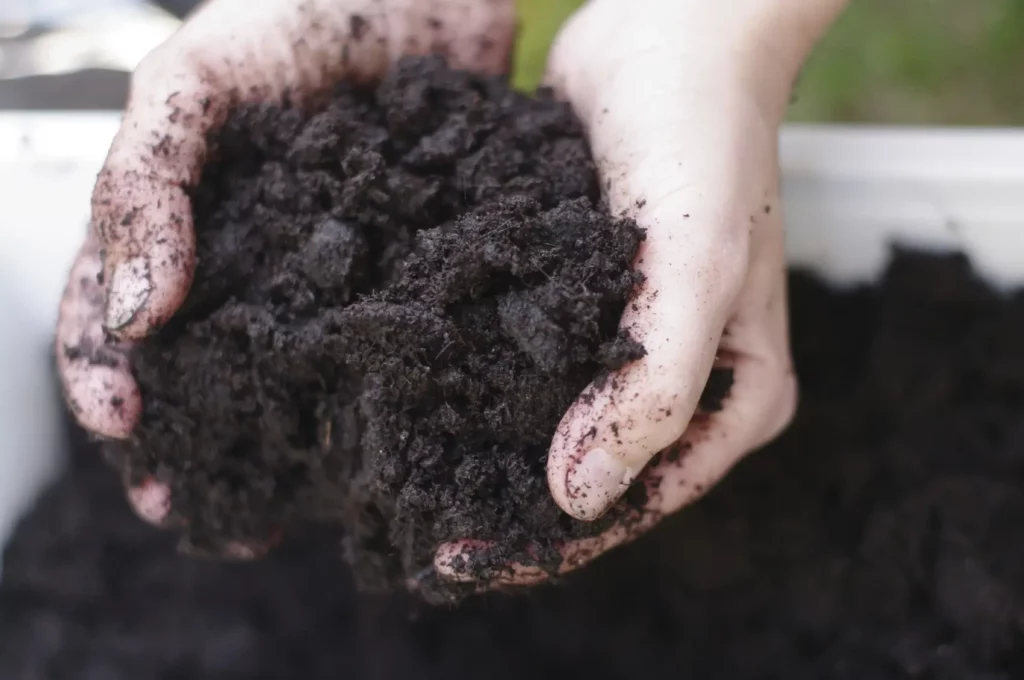
CarbonizPN is an advanced soil amendment made from a blend of biochar and premium organics. Biochar, a stable form of carbon, improves soil structure and water retention while providing a long-term habitat for beneficial microorganisms. The premium organics provide organic matter and nutrients, feeding soil microbes and supporting the overall soil food web. CarbonizPN works by restoring the soil’s biological activity, encouraging the growth of beneficial bacteria, fungi, and other microorganisms that drive nutrient cycling and plant health.
How CarbonizPN Revives Topsoil:
- Rebuilds Soil Structure: The biochar component helps aerate the soil, improving porosity and enabling oxygen flow to support microbial life.
- Increases Microbial Activity: The organic matter provides a nutrient-rich environment for microorganisms, jumpstarting biological processes that make nutrients more available to plants.
- Enhances Water Retention: Biochar can retain water, helping plants survive in periods of low rainfall, which is especially valuable in sandy or compacted soils.
- Reduces Need for Reapplication: By creating a living soil layer, CarbonizPN improves the chances of successful vegetation establishment on the first application, reducing the need for costly reseeding.
Benefits of Revitalized Topsoil for Development Projects
By reintroducing biological life to the topsoil, Eco Express ensures that developers see healthier, more resilient vegetation from the outset. Here’s how restoring topsoil with CarbonizPN improves project outcomes:
- Cost Savings: Using living soil from the beginning avoids the cost of reseeding and associated labor.
- Enhanced Plant Growth and Resilience: Vegetation planted on biologically active soil grows faster, establishes stronger root systems, and is more resistant to disease and environmental stress.
- Reduced Erosion Risks: Strong, healthy plant cover reduces soil erosion, protecting the site and surrounding properties from sediment runoff and maintaining compliance with erosion control regulations.
- Sustainable Land Management: Reusing and revitalizing the site’s natural topsoil supports sustainable practices that protect and enhance the local ecosystem.
Why Eco Express is the Right Partner for Sustainable Soil Solutions?
Eco Express’s approach to topsoil management is rooted in sustainable practices and a deep understanding of soil science. Our use of CarbonizPN from Mirimichi Green exemplifies our commitment to delivering not only visually appealing landscapes but also resilient, long-lasting vegetation that supports environmental health. We recognize that “dead dirt” doesn’t support healthy growth, so we go beyond standard practices by restoring soil as a living, breathing ecosystem.
For developers and site managers looking to maximize the success of their landscaping efforts and minimize erosion risks, Eco Express offers comprehensive seeding, erosion control, and soil revitalization solutions that support every phase of development.
Final Thoughts on Topsoil Preservation in Construction
Topsoil is one of the most valuable resources on a construction site, but improper handling can turn it from a living, fertile resource into lifeless dirt. By prioritizing soil health through proper site management and revitalization with products like CarbonizPN, Eco Express helps developers create more sustainable landscapes that are built to last. With a science-backed approach to soil health, we focus on creating resilient ecosystems that reduce the need for reapplications and improve plant health from the outset.
For any construction project in coastal North Carolina, Virginia, or South Carolina, Eco Express is committed to supporting developers with effective, sustainable soil management strategies. Contact us today to learn how we can help you create living, resilient landscapes from the ground up.
References
- Soil Biology and Health in Construction Projects
Soil respiration and microbial health are essential to soil fertility and plant growth. For detailed research on soil respiration and its impact on microbial communities, see “Soil respiration: Implications for ecosystem services” by Smith et al., published in Soil Biology & Biochemistry. - Impact of Soil Piling on Microbial Life
Storing topsoil in large piles can reduce microbial diversity and activity due to anaerobic conditions. For more information, refer to “Effects of soil storage and restoration on microbial diversity in construction and development sites” by Roberts et al., available in Environmental Management. - Benefits of Biochar in Soil Health
Biochar provides a long-term carbon source and improves water retention in soils. A study titled “Biochar’s effect on soil properties and plant growth” by Lehmann et al., published in Nature Communications, offers a comprehensive overview of biochar’s impact on soil health. - Organic Matter and Nutrient Cycling in Topsoil
Adding organic matter improves soil structure and nutrient availability. See “Organic matter’s role in soil health and plant growth” in Agricultural Research Journal, which details the effects of compost and organic amendments on soil microbiology. - CarbonizPN and Soil Revitalization
For more on CarbonizPN, an advanced biochar-based soil amendment from Mirimichi Green, visit Mirimichi Green’s CarbonizPN page.