Native and pollinator seed mixes are becoming the standard on utility-scale solar sites because they hold soil better over the long life of a facility, need less maintenance once established, and meet the habitat expectations that utilities, landowners and state programs now place on solar developers. In North Carolina, South Carolina and Virginia, a well-specified native mix paired with proper soil revitalization gives project managers stable ground cover that keeps working long after the construction crews leave.
Seed mix selection used to be an afterthought on solar projects. A low-cost turf blend went down after grading, the site was stabilized for permit closure, and vegetation became an operations problem. That approach is changing, and developers who understand why will make better decisions at the specification stage.
Why Seed Mix Selection Matters More on Solar Sites Than Most Developers Realize
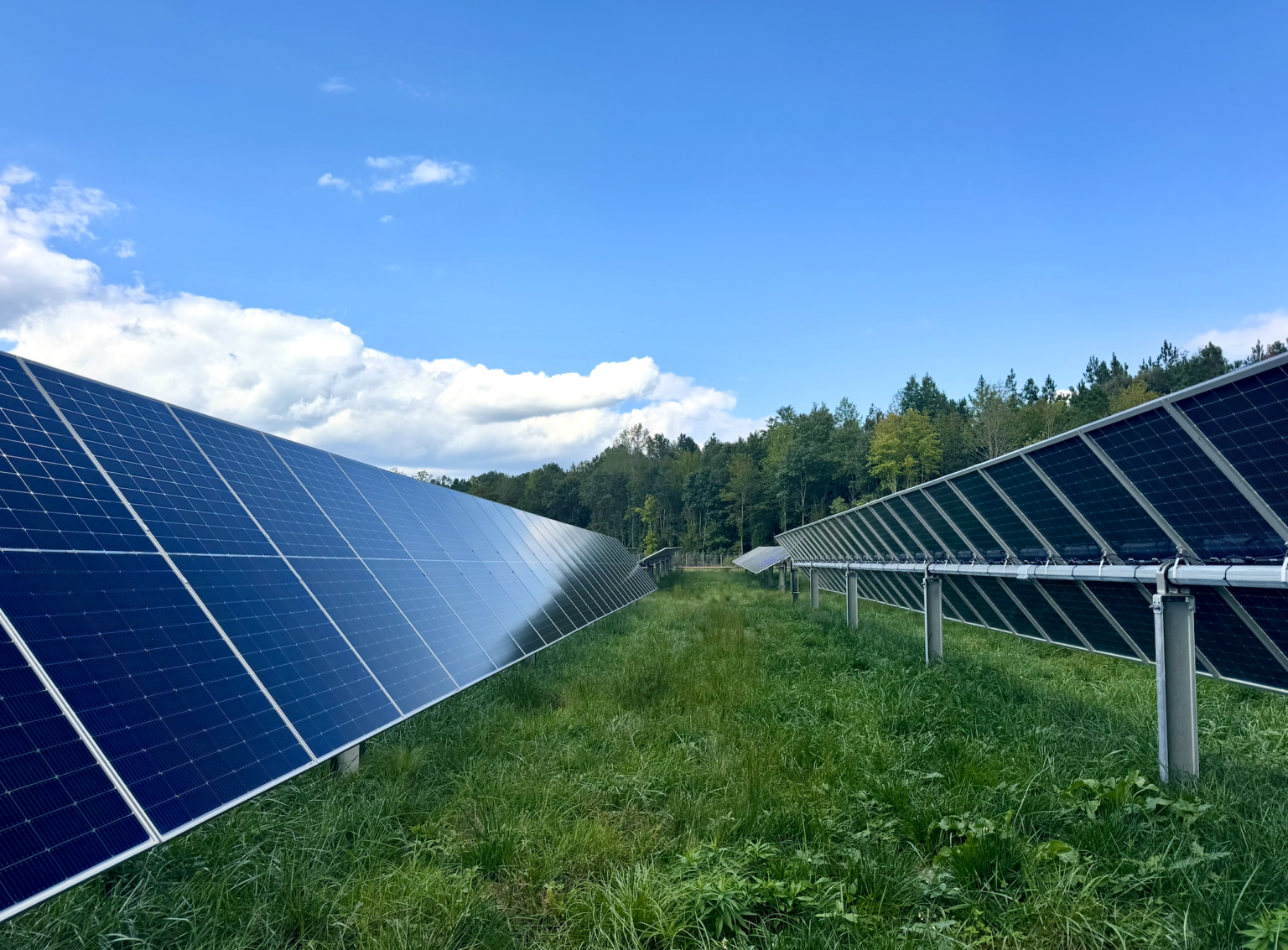
A solar facility is designed to operate for decades. The vegetation planted during construction has to perform for that entire period under conditions that are hard on plants: heavily graded soil, partial shade under panel rows, concentrated runoff at drip lines, and regular equipment traffic.
The seed mix determines how the site responds to all of that. A shallow-rooted mix that greens up quickly can satisfy a stabilization inspection, then thin out under the panels within a few seasons. Bare patches lead to rill erosion, sediment movement and repeat seeding visits. The cost of the wrong mix rarely shows up at construction closeout. It shows up in the operations budget for years afterward. The wider maintenance picture is covered in How Solar Developers in the Eastern US Are Reducing Vegetation Maintenance Costs.
Because vegetation on a 100+ acre site is also the primary long-term erosion control measure, seed selection is an engineering decision as much as a landscaping one.
The Case for Native and Pollinator-Friendly Species
Native species are adapted to the soils, rainfall patterns and temperature swings of the region where they grow. On solar sites in the Southeast, that adaptation translates into practical advantages:
- Better persistence through summer heat and dry periods once established
- Lower dependence on fertilizer and irrigation after establishment
- Less frequent mowing when lower-growing species are selected for panel areas
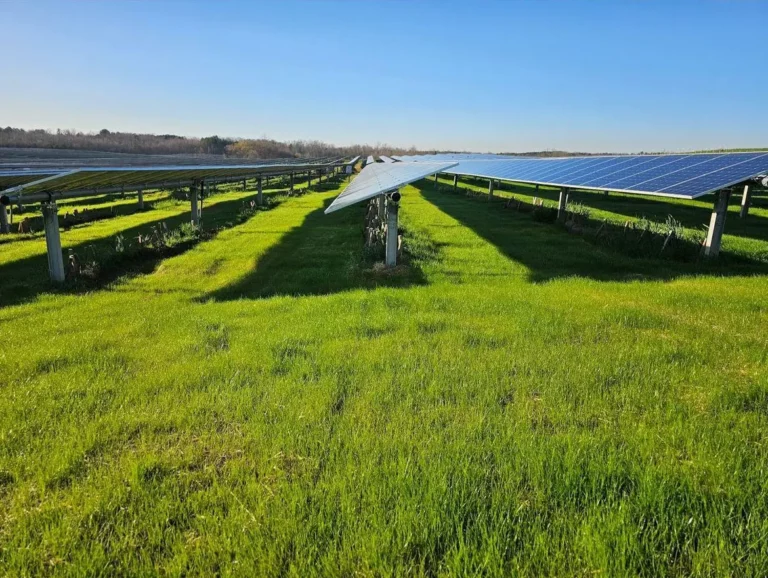
- Habitat value for bees, butterflies and other pollinators when flowering natives are included
Regulators and stakeholders in the region have taken notice. Virginia’s Department of Conservation and Recreation and Department of Environmental Quality developed the Virginia Pollinator-Smart Solar program, which offers scorecards and certification for solar facilities that establish native plant habitat. In South Carolina, the Solar Habitat Act, signed into law in 2018, created a framework for a voluntary solar habitat certification program, and Clemson University reports that certified sites are inspected two years after establishment. In North Carolina, pollinator expectations vary by project, so developers should confirm them with the utility, landowner and local permitting authority early in design.
These programs are voluntary, but they signal where the market is heading. Developers who plan for native and pollinator cover from the start avoid retrofitting their sites later.
How Deep-Rooted Natives Improve Erosion Control and Longevity
The erosion control value of vegetation comes from what happens below the surface. Many native grasses and wildflowers develop deeper, more extensive root systems than common turf species. Those roots bind soil, open channels for water to infiltrate, and hold slopes and drainage areas together during heavy rain.
On a graded solar site, that matters in three places:
- Under and between panel rows, where runoff concentrates along drip lines
- On perimeter slopes and swales, where flow velocity is highest
- Around stormwater features, where stable banks protect the facility’s drainage design
Native mixes do require planning. Many natives establish more slowly than conventional cover, so a specification usually includes a fast-establishing companion or temporary cover to protect the soil while the permanent stand develops. Seed and straw, an erosion control blanket or an EcoMax application can carry the surface through that window. Getting that balance right is part of what separates a successful native planting from one that stalls.
Pairing the Right Mix With Microbial Soil Revitalization
The best seed mix will still struggle if it goes into biologically dead soil. Grading on utility-scale solar projects strips topsoil and compacts what remains, leaving a surface with little organic matter and limited microbial activity. Native species need functioning soil biology to root deeply, just as conventional cover does.
This is where soil revitalization comes in. Eco Express uses CarbonizPN from its sister company, Mirimichi Green, exclusively in its soil revitalization programs. CarbonizPN combines biochar with organic inputs to support beneficial soil microorganisms, improve nutrient retention and build the conditions roots need to grow. Eco Express also offers EcoMax, its flagship hydraulic soil and seeding application built on Mirimichi Green products for temporary and permanent seeding.
The results are measurable on real projects. On the 475-acre Misenheimer Solar Farm in North Carolina, Eco Express combined grading, soil revitalization with CarbonizPN and hydroseeding, and the client was able to seed the project one time with no erosion or vegetation issues afterward. The soil side of this problem is covered in more detail in Why Repeated Seeding Fails on Utility-Scale Solar Sites and How Soil Science Solves It.
What Solar Developers in the Carolinas and Virginia Should Specify
When you write the vegetation specification for your next solar project in North Carolina, South Carolina or Virginia, build in the following:
- A region-appropriate native mix selected for the site’s soils, sun exposure under and between arrays, and maintenance plan
- Low-growing species in panel areas to limit shading and reduce mowing frequency
- Flowering natives in buffers and open areas where pollinator habitat commitments apply
- A temporary cover or companion species to hold the soil while natives establish
- Soil testing and revitalization before seeding, so the mix goes into soil that can support it
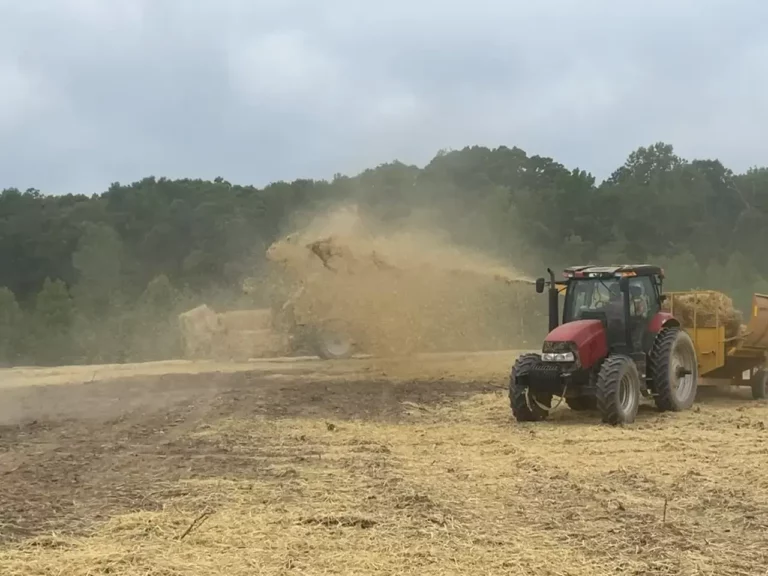
- An application method matched to the site, whether hydroseeding, drill seeding or broadcast seeding
Equipment capacity matters too. Eco Express operates hydroseeders ranging from 500 to 4,000 gallons, including truck-mounted units for large acreage and trailer- and Marooka-mounted units for steep or restricted-access areas. That fleet allows native specialty seed blends to be applied evenly and quickly across multi-hundred-acre sites.
In operation since 2003, Eco Express stabilizes utility-scale solar sites across the Carolinas, Virginia and the coastal Eastern US, including the 475-acre Misenheimer Solar Farm. If you are planning a solar project and want vegetation that satisfies permit requirements and performs for the operating life of the site, contact Eco Express to discuss your seed mix and soil strategy.
Frequently Asked Questions
Why are native seed mixes better for solar sites?
Native species are adapted to local soil and climate conditions, so once established they tend to persist with less fertilizer, irrigation and mowing than many conventional mixes. Many also develop deeper roots, which improves erosion control. On a solar site that must sustain vegetation for decades, that durability reduces long-term maintenance cost.
What is a pollinator-friendly solar site?
A pollinator-friendly solar site uses seed mixes that include flowering native plants that support bees, butterflies and other pollinators. Virginia and South Carolina both offer voluntary certification programs for solar habitat, and many utilities and landowners now encourage the approach.
Do native and pollinator mixes still meet erosion control requirements?
Yes, when they are properly specified and established. Deep-rooted native vegetation stabilizes soil and slows runoff effectively over the long term. Because some natives establish slowly, specifications typically include temporary cover to protect the soil until the permanent stand fills in.
How does CarbonizPN support native seed establishment?
CarbonizPN, from Mirimichi Green, combines biochar with organic inputs to support beneficial soil microorganisms and improve nutrient retention. On graded solar sites where topsoil has been disturbed, it helps create the biological conditions native species need to germinate and root deeply.
Can Eco Express specify and install pollinator mixes across the Carolinas and Virginia?
Yes. Eco Express works with solar developers across North Carolina, South Carolina and Virginia to select region-appropriate native specialty seed blends and establish them using its soil-health-first approach and high-capacity hydroseeding equipment.